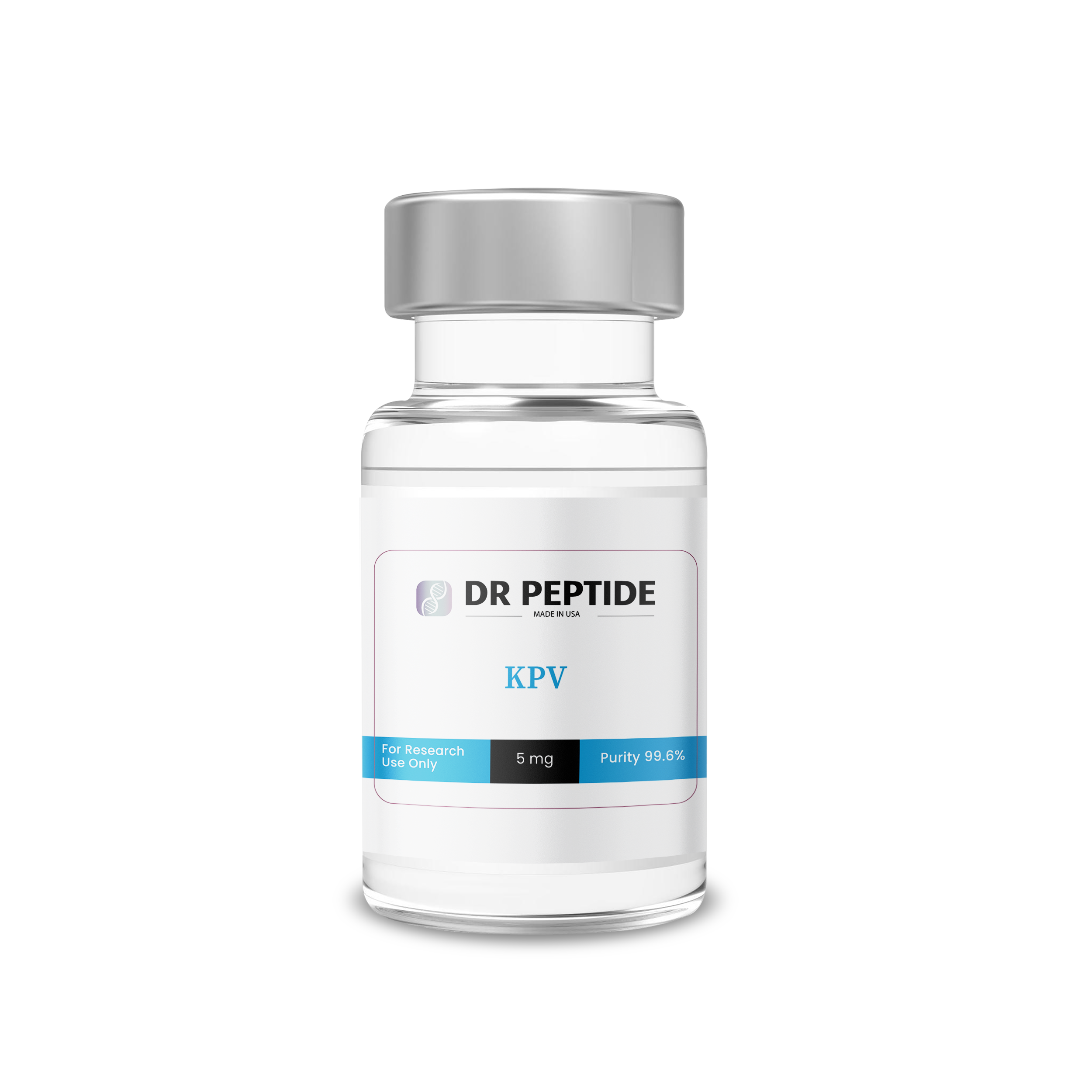
KPV for Research Applications
KPV is a high‑quality research compound widely used in laboratory environments to investigate inflammatory signaling pathways, immune responses, and cellular communication mechanisms. It is a synthetic tripeptide composed of lysine‑proline‑valine, derived from the C‑terminal sequence of alpha‑melanocyte‑stimulating hormone (α‑MSH). In controlled research models, KPV peptide is valued for its stability, simple structure, and potent mechanistic effects related to inflammation modulation and cell signaling.
Research Benefits and Applications
In scientific research, KPV peptide is frequently studied for its anti‑inflammatory properties and modulation of immune pathways. Laboratory studies have shown that KPV can influence key intracellular signaling cascades such as NF‑κB, which plays a central role in the regulation of pro‑inflammatory cytokine production. Researchers use KPV peptide to explore mechanisms related to inflammation, epithelial barrier signaling, and immune cell responses in various experimental systems.
KPV has also been the subject of pre‑clinical investigations in models of inflammatory tissue damage, wound repair, and epithelial barrier function. Due to its short amino acid sequence, it is suitable for use in cell culture studies, in‑vitro inflammation assays, and other research applications focused on molecular signaling and peptide‑mediated responses.
Product Quality and Laboratory Standards
Dr. Peptides provides KPV peptide with a strong emphasis on purity, consistency, and research‑grade standards. Each batch is manufactured and tested under strict quality control conditions to ensure reliable performance in laboratory environments. The peptide is supplied as a lyophilized powder designed for controlled experimental use only. KPV peptide is intended strictly for research purposes and is not for human consumption or therapeutic use. Researchers should adhere to institutional and regulatory guidelines when handling research compounds.